Sleep medicine tests

Each investigation below reflects its clinical utility — from first-line screening to advanced neurophysiology when diagnosis requires definitive data.

Diagnostics & neurophysiology

Outpatient and in-laboratory options are organized as soon as possible — typically within 2 to 4 weeks when indicated after consultation.

Agenda du sommeil

Sleep diary

Your clinician examines the patterns observed over a period of one to two weeks to identify factors related to hypersomnia, insomnia, and sleep quality, as well as any potential circadian misalignment or habits that might respond to behavioral therapy.

Polysomnographie (PSG)

Polysomnography (PSG).

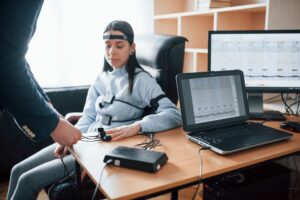
Reference overnight examination recording brain, eye, muscle, cardiac, and respiratory activity to diagnose sleep disorders.

Test Itératif de Latence d’Endormissement (TILE)

Multiple Sleep Latency Test (MSLT)

Objective daytime protocol with scheduled naps, usually the day after polysomnography, to assess excessive daytime sleepiness.

Test de maintien de l’éveil (TME)

Maintenance of Wakefulness Test (MWT).

Measures your ability to remain awake in low-stimulus conditions — often after polysomnography — to assess daytime vigilance.

Polygraphie ventilatoire (ambulatoire)

Ventilatory polygraphy (ambulatory).

Home-based non-invasive recording of respiratory and cardiovascular signals for sleep apnea screening and diagnosis.

Électroencéphalographie (EEG) standard et prolongée

Standard and extended electroencephalography (EEG).

Scalp EEG from brief standard recordings to prolonged video-EEG for rare or nocturnal brain activity abnormalities.

Oximétrie

Oximetry

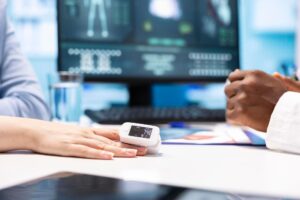
A simple overnight measure of blood oxygen saturation to screen for desaturations suggestive of sleep-disordered breathing.

Actimétrie

Actimetry

Wearable actimeter recording movement to estimate sleep-wake timing and circadian rhythm patterns.

Take the next step

Ready for better sleep — with evidence behind it?

Book a consultation to define the fastest, safest diagnostic route. If testing is indicated, we prioritize access with outpatient and/or laboratory options — typically within 2 to 4 weeks.